Content is easier to produce than ever. That does not mean it is easier to win attention. Marketing managers are now competing with an endless stream of posts, ads, emails, and AI-generated noise.
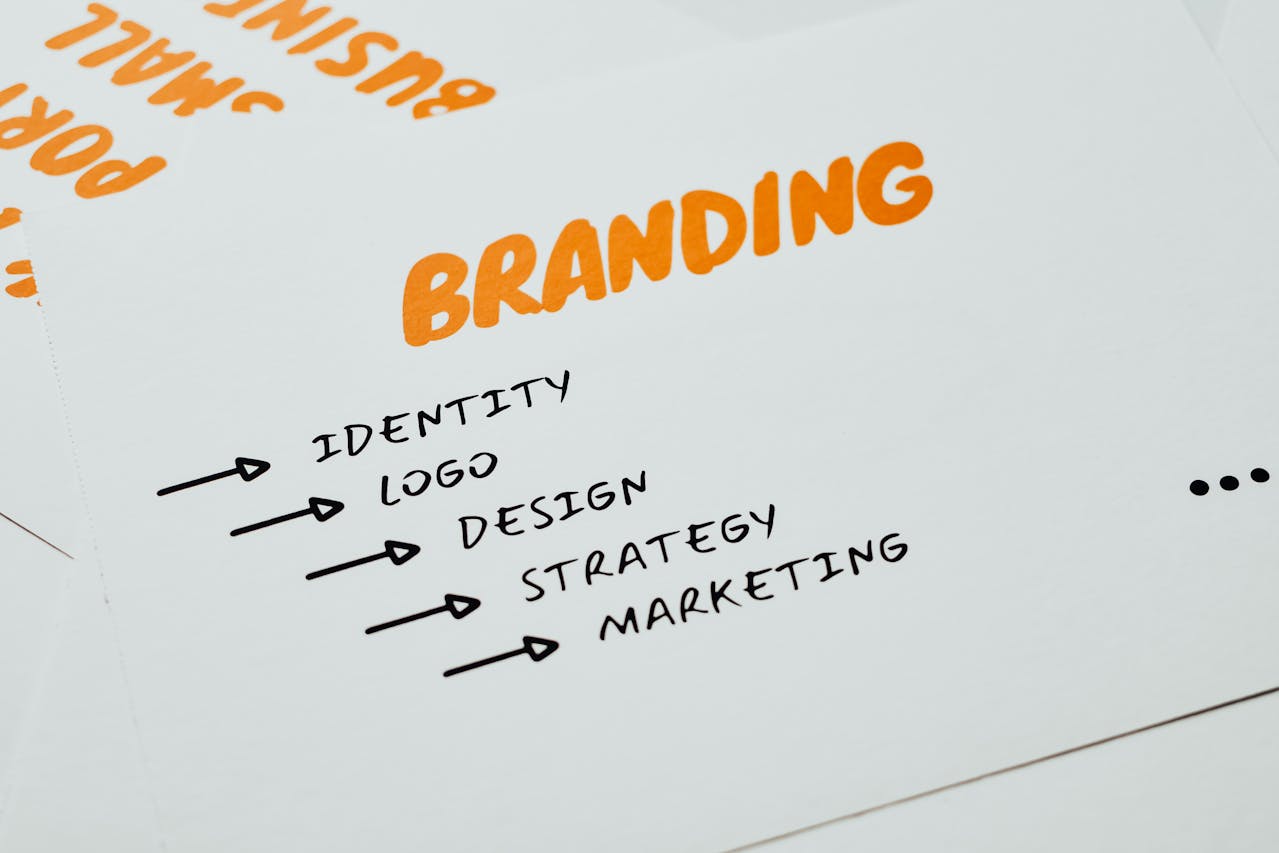
When everything looks "good enough", brand and trust become the difference. The brands that win are not just louder. They are clearer, more consistent, and more relevant at the moment of decision.
The real problem is not content. It is confidence
Most teams can produce a hero video. The hard part is producing the next 500 pieces of creative with the same quality bar. That is where things break down: inconsistent messaging, off-brand variants, long approval cycles, and slow updates.
Why brand-safe video performs in crowded channels
- Consistency creates recognition: when your creative has a repeatable structure, people remember it.
- Clarity reduces friction: the viewer understands what you do and what to do next.
- Relevance increases response: messaging can change by audience, industry, region, or offer without redesigning everything.
- Speed protects performance: offers, pricing, and positioning can be kept current.
- Control protects trust: you decide the template, the rules, and the words, then scale from there.
Template-driven video is how you scale without losing control
A template-driven approach works like a system. You approve the design once and define what can change (and what cannot). Then data drives the variations: product details, segments, locations, timelines, and calls to action.
This matters because marketing today is built on iterations. If each iteration requires a manual edit, your test velocity collapses. If your creative can update automatically within guardrails, you can move fast without compromising quality.
Practical examples for marketing teams
Personalised video in email
Instead of one generic video, create variations by segment, region, or product interest. Your template stays consistent, but the message reflects what the recipient actually cares about.
Always-on landing page video
Build one structure, then generate page-specific versions for industries, use cases, or product lines. Better match, better conversion, less creative churn.
Dynamic paid creative variants
Scale variations for different audiences and offers without asking the team to rebuild timelines every time. Keep the look consistent while the offer and copy adapt.
How to start (without a big project)
- Pick one high-volume use case (a segment, product range, or campaign type).
- Provide a sample dataset (CSV, feed, CRM export, or API example).
- Approve one template (layout, messaging rules, CTA, and fallbacks).
- Generate a small batch to validate quality and edge cases.
- Scale once you trust the system.
Want to see what your data looks like in brand-safe video?
Tell us your use case, data source, and volume. We will show you what it can become and outline a practical rollout plan.